

Dog paw pads have a large number of nerve endings, which is why it is necessary to observe and care for them frequently. Walking on hard or abrasive surfaces, such as asphalt or sand, can cause cuts, cracks and wounds, so it is recommended to use a paw pad protector that pampers dogs' soles.
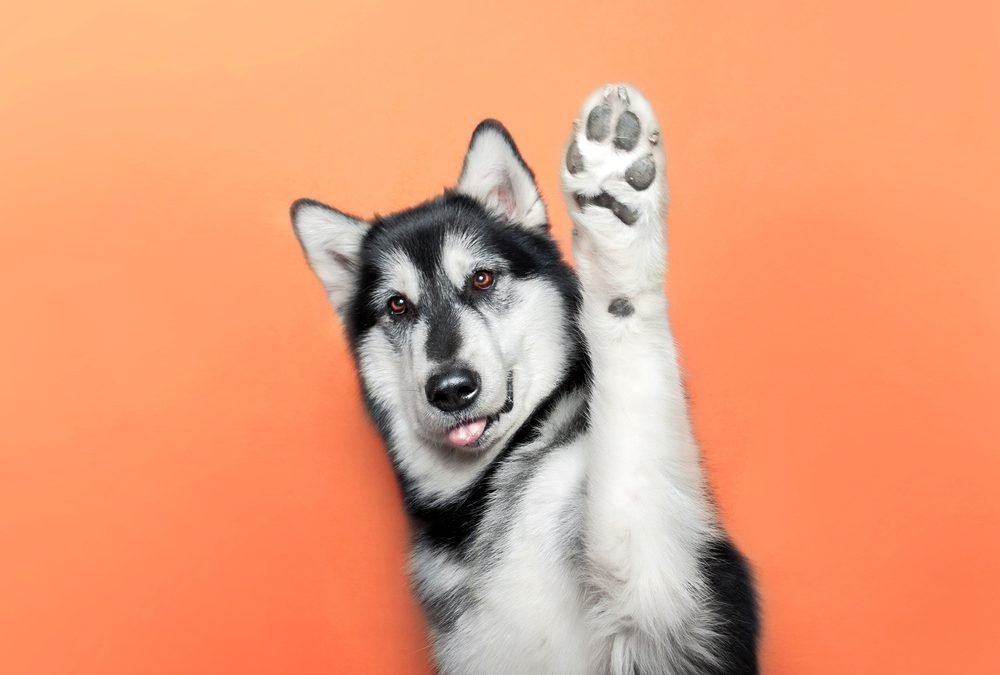
Have you ever stopped to think about the curiosities of dog paw pads? This tissue, which is equivalent to the soles of people's shoes, is made up of thick, dark-colored skin that contains keratin on its outer part, which provides the necessary hardness and resistance when rubbing against the ground.
The paw pads house a large number of sweat glands that give them great hydration and sponginess. Inside, there is a fatty deposit whose function is to cushion movements and impacts so that they are not damaging to the bones of the toes and joints.
Risks
Continuous walks on hard or abrasive surfaces such as asphalt and sand can cause injuries, so it is recommended that dogs run and walk alternately on hard and soft surfaces. Dogs that take long walks or do a lot of exercise can suffer from erosion wounds. The opposite can also occur. Paw pads that become soft and vulnerable due to lack of activity.
Therefore, it is necessary to pay attention to the paw pads and check their condition periodically, and especially after long walks to observe if there are cuts, cracks, incrustations or dryness. Sometimes a piece of glass or a metallic or sharp element gets embedded, which, if not detected in time, can end up becoming infected. Another common risk occurs when dogs get a small spike embedded, which at first glance may seem harmless, but if it goes unnoticed and gets stuck between the dog's toes, it can lead to an infection.
We must also be attentive to senior dogs whose paw pads may have lost elasticity due to decreased physical activity. In the case of puppies, their paw pads are soft and pink and will harden over time, so it is advisable to accustom them to walking so that the paw pads harden, and that they do so on all types of surfaces, hard and soft, so that their paw pads adapt from the beginning to all types of terrain.
Specific care
The strength of dog paw pads does not exempt them from care, as they contain a good number of nerve endings.
It is recommended to use a protective paw pad balm before and after intense activity and in extreme temperatures.
PSH offers Paw Balm, a formula with natural vitamin E, 99% pure Aloe Vera juice, glycerin, and avocado oil, which provides protection for the paw pad against aggression from extreme temperatures, either due to cold exposure or subjection to high temperatures.
The advantages of using Paw Balm are:
-Protects the paw pad
-Increases resistance to friction
-Prevents irritations due to increased activity or prolonged effort -Khaton, silicone, and paraben-free.

Extreme temperatures
Paw Balm will help maintain the hydration of the paw pads so that they remain in perfect condition, strong, soft, and without irritations. This protection will allow the paw pads to continue to perform their function correctly.
The summer and winter months are the most sensitive for dog paw pads. Extreme temperatures, both hot and cold, can cause burns on dogs' paw pads during intense walks on asphalt. A surface that can exceed 70 degrees on an extremely hot day.
The same happens with low temperatures. Paw pads can suffer abrasions during walks on ice or snow. Low temperatures can cause cracks due to dryness, cracks that, if not treated, can end up becoming wounds.
Now we know the nature, risks, and care required for our dogs' paw pads. Observation and care with appropriate products will be the best allies for our dogs to continue walking and running on their paw pads safely and healthily. As always, the veterinarian will be our best ally, both for periodic check-ups and if any mishap occurs in such a sensitive and important area for our animals' mobility.
POSTS RECIENTES
-

Shampoo Therapy: The care that transforms the skin and coat health of pets
October 20, 2025 No comments -

Summer and Sensitive Skin: A Practical Guide with PSH
August 22, 2025 No comments -

The Importance of Continuing Education in Dog Grooming
June 23, 2025 No comments


